

Business Casual by Profession: Teachers, Nurses, Tech, Finance, and More
Quick answer
Business casual by profession looks different in every job. Teachers need comfort and movement. Nurses in admin roles need polish without scrubs. Tech workers can relax, but not too much. Finance and law stay formal. This guide shows what works for each profession, plus summer and winter dressing, and fit for plus size, petite, and women over 50.
Why Your Job Changes the Rules
Your job decides three things. How much you move, who you meet, and how formal your workplace is. A teacher moves all day. A finance worker sits in client meetings. A nurse in admin meets patients and families. Each job needs a different version of business casual.
That is why generic advice fails. “Wear a blazer” is good advice for a corporate office. It is less useful for a teacher who kneels next to a desk forty times a day. The right outfit fits the work, not just the dress code.
Start with your own employer policy. It beats any guide. Then use the sections below to fill in the gaps.
Business Casual for Teachers

Teachers live in business casual. Many US school districts set it as the minimum daily dress code for staff. The Pearland Independent School District handbook, for example, says all district employees should follow a minimum daily dress code best described as “business casual.” Jeans are allowed only on Fridays with a school spirit shirt. Shorts, gym clothes, leggings, and flip-flops are not allowed. McMinn County Schools sets a similar standard, with professional dress, jeans only without holes or rips, and skirts and dresses to the knee or below.
What works for teachers:
- Blouses or smart tops with sleeves that cover the shoulder
- Slacks, dress pants, or knee-length skirts
- A cardigan or blazer for parent meetings and observations
- Comfortable closed-toe shoes: loafers, ballet flats, or low block heels
- Clothes you can move in, bend in, and sit on the floor in
What to watch out for:
- Necklines that reveal too much when you bend over
- Skirts that ride up when you sit on a small chair
- Heels that hurt by third period
- White tops that show every marker stain
Comfort is not optional for teachers. You are on your feet all day. Choose shoes first, then build the outfit around them. A good pair of loafers or supportive flats is worth more than a second blazer.
For a parent conference or an observation day, add the blazer. It takes the same outfit one level smarter in ten seconds.
Business Casual for Nurses and Healthcare Admin
Nurses in clinical roles wear scrubs. That is a uniform, not a dress code choice. But nurses and staff in admin, office, and front-desk roles usually follow business casual.
What works for healthcare admin:
- Blouses or smart tops with sleeves
- Slacks or knee-length skirts in dark colors
- A cardigan or blazer for meetings with patients and families
- Comfortable closed-toe shoes with support, since you still walk a lot
- Simple jewelry that will not catch on anything
What to watch out for:
- Open-toe shoes, which many facilities ban for safety
- Strong perfume, which can bother patients
- Dangling jewelry or long scarves near equipment
- White clothes that stain easily in a medical setting
The rule is simple. Look professional enough for families to trust you, and practical enough to move fast when you need to. Dark colors hide stains. Flat, supportive shoes save your feet.
Business Casual for Tech Workers
Tech offices are the most relaxed version of business casual. But relaxed does not mean sloppy. The best tech offices still expect a neat, finished look.
What works for tech:
- Dark wash jeans with a blazer or a smart shirt
- Chinos with a polo or a button-down shirt
- Clean leather sneakers in a relaxed office
- A blazer for client calls and presentations
- Simple, well-fitted clothes in solid colors
What to watch out for:
- Graphic tees, hoodies, and athletic wear on normal days
- Shorts, even in summer, unless the office clearly allows them
- Dirty sneakers or trainers
- Anything with a large logo
Tech has one trap. The office is relaxed, so people drift too far. A good test is the client test. Would you wear it to a video call with a client? If not, it is too casual for work, even in tech.
For a job interview at a tech company, dress one level smarter than the office norm. Our guide to what to wear to a business casual interview shows the exact outfits.
Business Casual for Finance and Law
Finance and law are the strictest offices. Business casual here means “almost a suit.”
What works for finance and law:
- A suit, or a blazer with matching or near-matching trousers
- A white or light blue dress shirt
- A tie for client meetings, even if the office says business casual
- Leather dress shoes, polished, in black or dark brown
- Dark, conservative colors: navy, charcoal, black
What to watch out for:
- Jeans, even dark ones
- Sneakers of any kind
- Polo shirts, unless under a blazer and never for clients
- Bright colors, bold patterns, and loud accessories
In finance, the safest choice is the suit. If the office says business casual, wear the suit without the tie. That is the dressy casual version of the code, and it is never wrong.
Business Casual for Office Admin and Receptionists
Office admin and receptionists are the face of the company. Visitors judge the whole office by the first person they see. That makes this role more formal than it looks.
What works for office admin:
- A blouse or smart top with tailored trousers or a knee-length skirt
- A blazer or structured cardigan
- Closed-toe shoes that are comfortable and polished
- Simple, neat jewelry and tidy hair
- A structured bag, not a backpack
What to watch out for:
- Casual Friday clothes on a Monday
- Loud patterns that distract visitors
- Uncomfortable shoes, since you are on your feet greeting people
- Anything wrinkled, since you are the most visible person in the office
Keep a blazer at your desk. Put it on when visitors arrive. Take it off when you are doing paperwork. That one habit covers the whole day.
Business casual by profession at a glance
| Office type | Typical workday | Recommended level |
|---|---|---|
| Teachers | On your feet all day, moving, bending, and sitting on the floor | Comfort and movement first; add a blazer for parent meetings |
| Nurses and healthcare admin | Walking a lot and meeting families | Professional enough for families to trust you, and practical enough to move |
| Tech | Tech and startup offices | The most relaxed version: clean dark jeans, simple sneakers, and a smart top |
| Finance or Law | Finance and law offices | The strictest: almost a suit |
| Office admin and reception | On your feet greeting people all day | Smart and neat; keep a blazer at your desk for visitors |
Summer Business Casual
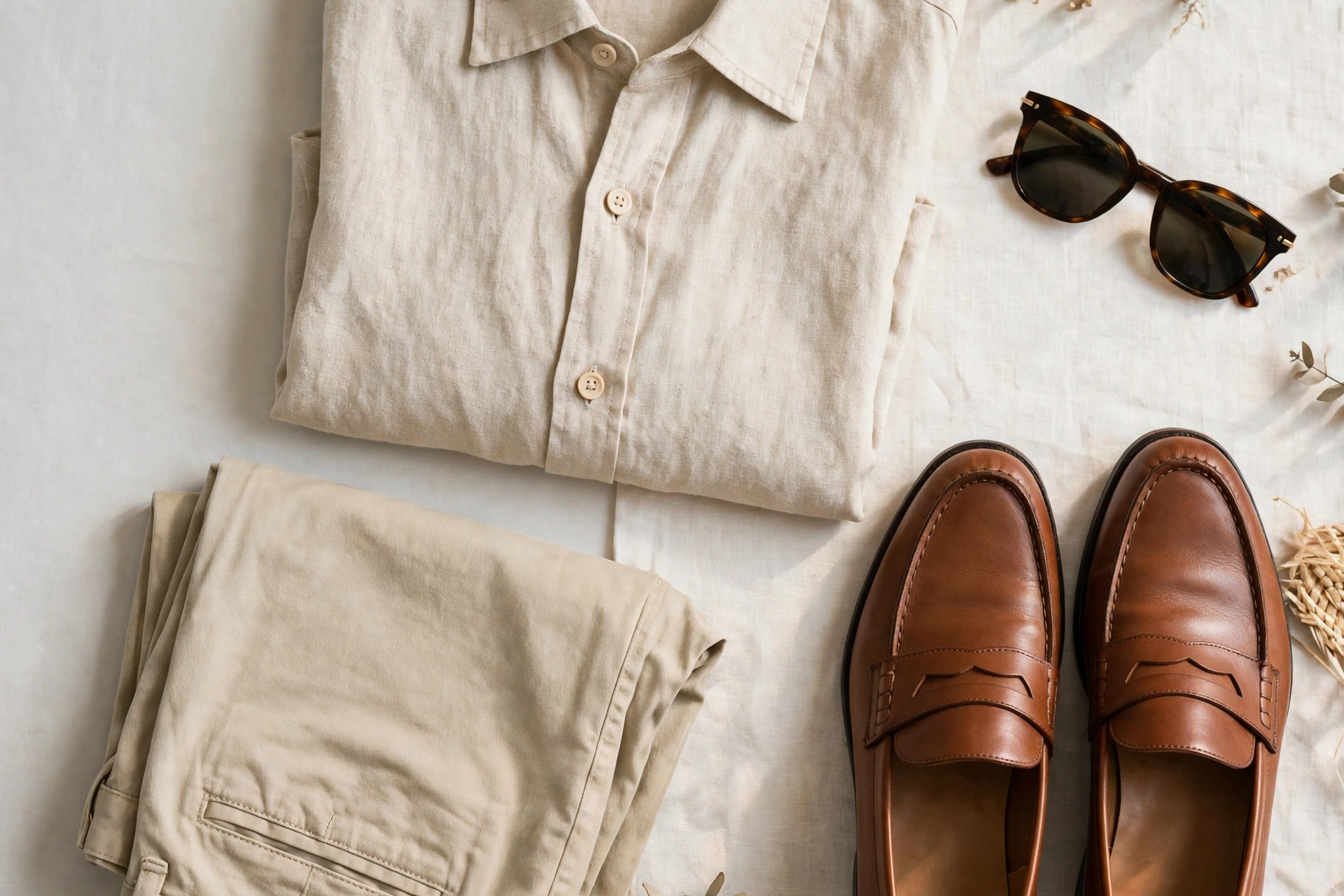
Summer is where most dress code mistakes happen. Heat makes people reach for shorts, tank tops, and flip-flops. Most offices still say no.
The numbers back that up. A May 2012 Workplace Solutions poll found that 63 percent of businesses do not alter their dress code policies during the summer. And a SHRM survey from 2013 found that only 23 percent of organizations allowed seasonal casual dress. Most employers keep the same rules all year.
What works in summer:
- Linen and cotton blend shirts that breathe
- Light chinos or wide-leg trousers in light colors
- Short-sleeve button-down shirts, not T-shirts
- Midi skirts and dresses in breathable fabrics
- Leather sandals only where your office clearly allows them
What to watch out for:
- Tank tops, tube tops, and spaghetti straps worn alone
- Shorts, unless your policy names them as allowed
- Flip-flops and open-toe sandals in most offices
- Sheer fabrics with nothing underneath
- Swimwear, even as a cover-up
The SHRM guidance is clear. A summer dress code should name what is allowed and what is not. If your policy does not say shorts are allowed, assume they are not. Linen is your best friend in summer. It looks professional and it breathes.
Winter Business Casual and Layering
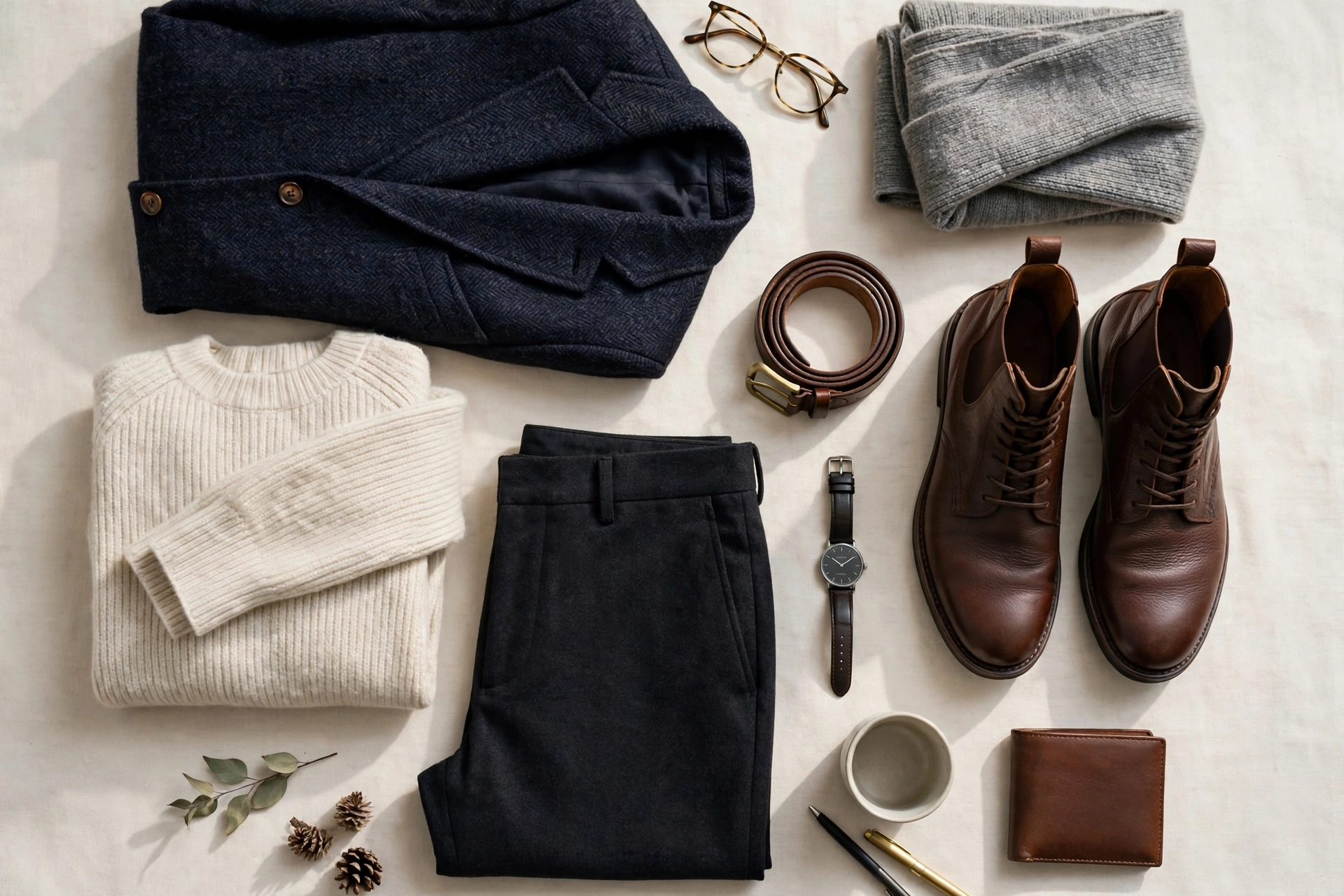
Winter is easier than summer. Layers are your friend, and a good coat covers a lot.
How to layer for winter:
- Start with a base layer: a fine-knit top or a button-down shirt
- Add a mid layer: a sweater, a cardigan, or a vest
- Add the outer layer: a blazer or a wool coat for the commute
- Keep the colors in the same family so every layer matches
What works in winter:
- Wool trousers and blazers
- Fine-knit sweaters over collared shirts
- Turtlenecks under a blazer
- Leather boots that are clean and polished
- A proper wool coat for the commute, not a ski jacket
What to watch out for:
- Bulky sweaters that hide your shape completely
- Snow boots worn all day indoors
- Hats and scarves kept on at your desk
- Dark, heavy colors head to toe with no contrast
Take the coat off when you arrive. A good blazer underneath is the work outfit. The coat is the commute outfit.
Fit Matters: Plus Size, Petite, and Women Over 50
Fit is not about size. It is about clothes that fit your body as it is. Three groups get the least useful advice, so here it is plainly.
Plus size:
- Choose structured fabrics that hold their shape, like ponte knit and wool blends
- A blazer that closes comfortably is worth more than two that do not
- Wrap dresses and A-line skirts flatter most body shapes
- Avoid boxy, shapeless clothes. Structure looks more professional than volume
- Tailoring is your best friend. A $40 tailoring pass on a good garment beats an expensive one that does not fit
Petite:
- Choose cropped or ankle-length trousers so fabric does not pool at the shoe
- A shorter blazer that hits at the hip, not below it
- Monochrome outfits in one color family make you look taller
- Avoid oversized bags and long cardigans that overwhelm a small frame
- Petite sections exist for a reason. Use them instead of paying for hems every time
Women over 50:
- Quality over quantity. Fewer, better pieces beat a full closet of fast fashion
- Classic cuts: tailored trousers, a good blazer, a simple dress
- Soft colors near the face: light blue, soft grey, warm white
- Comfortable shoes with support, since you are on your feet all day
- Ignore age rules. There is no age at which a blazer stops working
For every body, the rule is the same. Clothes should fit at the shoulder, close without pulling, and allow you to move. If a piece does not do all three, it is the wrong size, not the wrong body.
Universal Rules for Every Profession
Whatever your job, these rules always apply.
- Clean, pressed, and free of stains
- Fit that allows you to move and sit comfortably
- Closed-toe shoes in most offices
- One level smarter for interviews, client meetings, and first days
- Your employer policy beats any guide, including this one
Check Your Outfit for Your Job
Different jobs, different answers. Our free Business Casual Dress Code Checker asks your office type, your occasion, and your item. It gives a Yes, No, or Only-if answer in about 30 seconds, plus the fix that makes the outfit work. Try it before a parent meeting, a client visit, or your first day.
Frequently Asked Questions
What is business casual for a teacher?
Business casual for a teacher means blouses or smart tops with sleeves, slacks or knee-length skirts, and comfortable closed-toe shoes. Many US school districts set business casual as the minimum daily dress code. Add a blazer for parent meetings and observations.
Can nurses wear business casual?
Nurses in clinical roles wear scrubs. Nurses and staff in admin, office, and front-desk roles usually follow business casual: blouses or smart tops, slacks or skirts, and comfortable closed-toe shoes. Open-toe shoes are often banned for safety.
What is business casual in a tech company?
Tech business casual usually means dark wash jeans with a blazer or a smart shirt, chinos with a polo or button-down, and clean leather sneakers in relaxed offices. Skip hoodies, shorts, and graphic tees. Dress one level smarter for interviews and client calls.
What should I wear to work in summer?
Wear linen and cotton blend shirts, light chinos or wide-leg trousers, and breathable dresses. Skip tank tops, shorts, and flip-flops unless your policy names them as allowed. Most employers keep the same dress code all year.
How do I dress business casual in winter?
Layer in threes: a base layer like a shirt, a mid layer like a sweater, and a blazer or wool coat on top. Wear wool trousers and clean leather boots. Take the coat off when you arrive. The blazer underneath is the work outfit.
Does business casual work for plus size and petite bodies?
Yes. The rules are the same, but the fit details change. Plus size works best with structured fabrics and tailoring. Petite works best with cropped trousers, shorter blazers, and monochrome outfits. For every body, clothes should fit at the shoulder, close without pulling, and allow movement.
Sources and further reading
- Pearland Independent School District substitute handbook dress code
- SHRM guide to summer dress codes at work
- dress codes by career field (ClassAce)
Related guides
- Best Business Casual Shoes for Men and Women in 2026
- What Is Business Casual? The Simple Guide for Work
- What to Wear to a Business Casual Interview
- Business Casual Capsule Wardrobe: 10 Pieces, 20 Outfits, One Budget
- Business Casual for Nurses: Admin and Office Guide 2027
- Business Casual for Teachers: Classroom Guide 2027
- Business Casual Outfits for Petite Women: Fit Guide 2027
- Business Casual Outfits for Women Over 50: Fit Guide 2027
- Business Casual Outfits Plus Size Women: Fit Guide 2027
- Business Casual Summer Outfits: Stay Cool at Work 2027
- Business Casual Winter Outfits Layering: The 3 Layer Guide